For an emergency, call 911. In the United States, call or text 988 for suicide or mental-health crisis support.
Casa Privée is an outpatient medical practice, not an inpatient detoxification unit, psychiatric hospital or residential rehabilitation facility. A clinical assessment determines whether this setting is appropriate for your needs.

Casa Privée scope: private psychiatry, mental-health care and addiction medicine. Regenerative orthopedics is provided through a separate clinical entity.
Addiction medicine
A private first step toward understanding substance use
Concerns about alcohol or drugs can affect health, relationships and everyday life. Whether this is your first assessment or you have received treatment before, we begin by understanding your needs.
Casa Privée provides outpatient addiction medicine for adults whose needs can be managed safely outside a hospital or residential setting. We consider substance use alongside mental health, medical history, previous treatment and personal circumstances.
Clinical information
Clear scope.
Individual evaluation.


What we assess
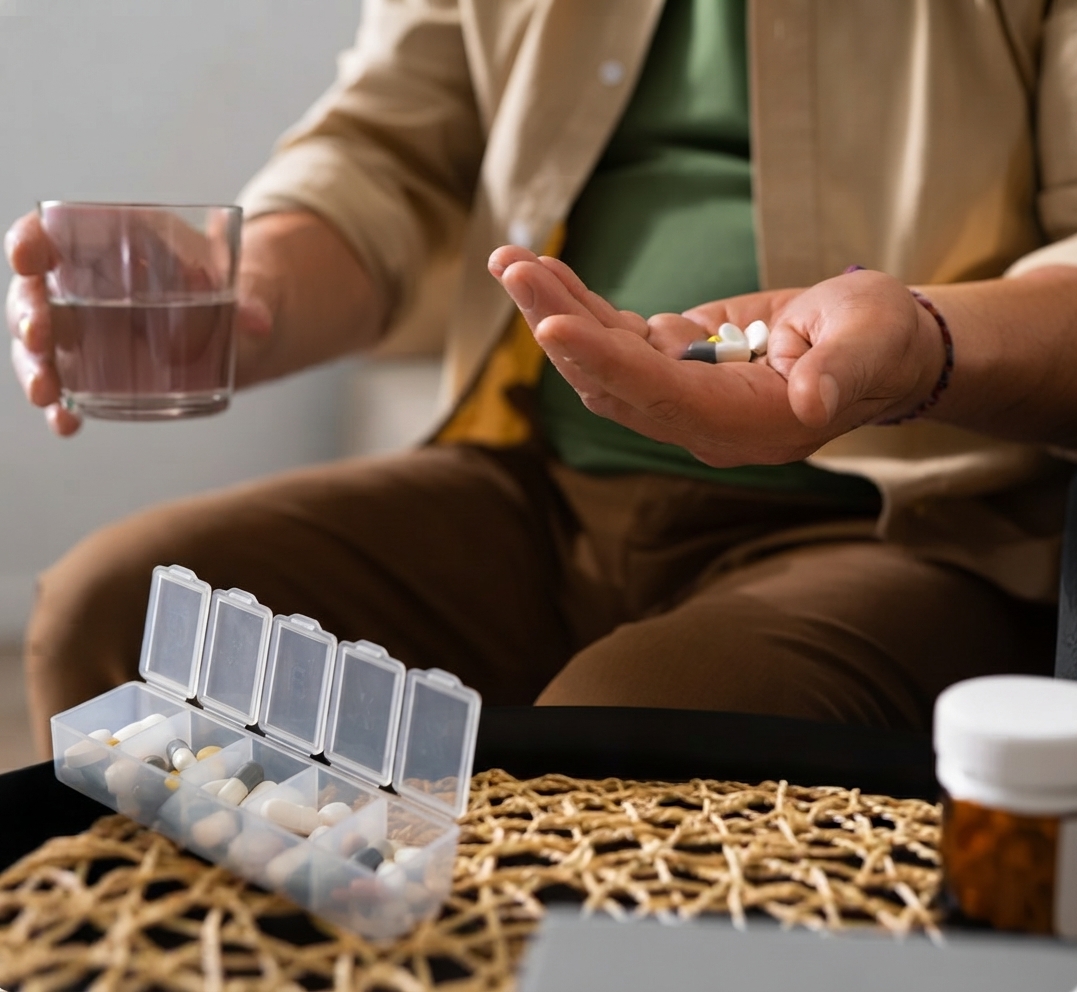
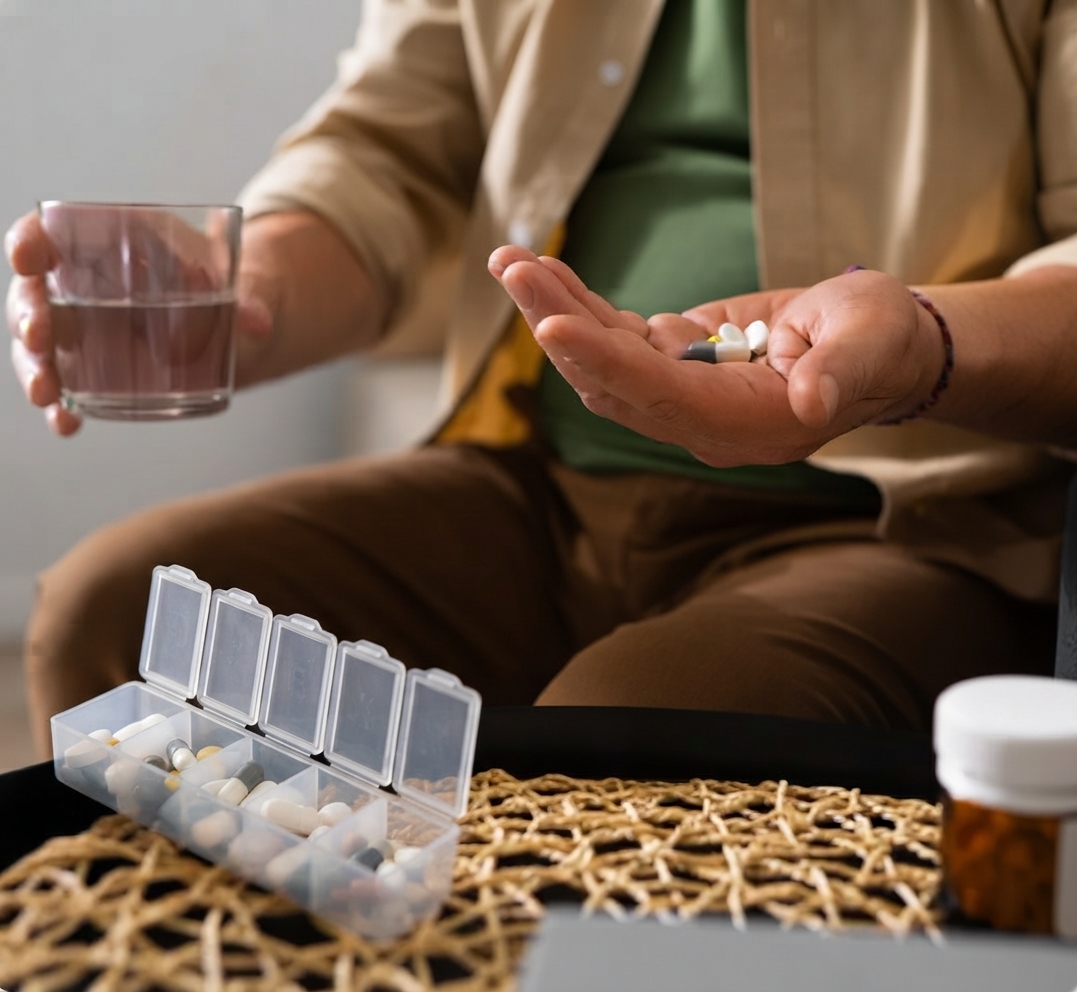
Your evaluation considers the substances involved, current use, previous withdrawal and immediate risks. It also explores mental health, sleep, medical conditions, medications, daily functioning and available support.
The aim is to understand the whole clinical picture and recommend the right level of care, rather than fit you into a predetermined program.
Comprehensive substance-use and psychiatric assessment
Review of withdrawal risk and medical stability
Medication options where clinically indicated
Craving, relapse-risk and recovery planning
Coordination with therapists, family and external programs when authorized
Referral or transfer when a higher level of care is required
Important level-of-care distinction
Casa Privée is an outpatient medical practice. It does not represent itself as an inpatient detoxification unit, psychiatric hospital or residential rehabilitation center. Some forms of withdrawal can be life-threatening and require emergency or inpatient management.
Clinical framework
Treatment is organized around the disorder, not around a device.
Substance-use disorders are heterogeneous. A coherent plan integrates biological, psychiatric, behavioral and social dimensions without promising a single “reset” or universal cure.
1
Establish immediate safety
Identify intoxication, withdrawal, overdose risk, suicidality, severe medical illness or other indications for urgent transfer.
2
Clarify the pattern
Assess substances, quantity, route, frequency, duration, prior withdrawal, treatment history and functional consequences.
3
Treat co-occurring illness
Depression, anxiety, trauma, sleep disturbance, pain and other conditions may influence both risk and recovery.
4
Build continuation care
Recovery planning includes medication follow-up, behavioral care, monitoring, family involvement where appropriate and a response plan for recurrence.
A
Areas of care
Alcohol-use concerns.
Assessment of drinking patterns, medical effects, withdrawal risk and treatment options matched to your circumstances.
O
Clinical focus
Opioid-use concerns.
Assessment that prioritizes overdose prevention, safety and discussion of evidence-based medication treatment.
S
Clinical focus
Other substance-use concerns.
Substance-specific evaluation of stimulants, sedatives, cannabis and the use of more than one substance.
A plan that considers your life
Recommendations may include medication, psychological treatment, recovery support or coordination with other clinicians. Your clinician explains the rationale, considers your preferences and identifies any services that need to be provided elsewhere.
With your authorization, and when clinically appropriate, family members or other trusted people may be involved in planning and support.
When another setting is safer
Some forms of withdrawal can be life-threatening. Severe withdrawal, suspected overdose, acute psychiatric instability or serious medical symptoms require urgent assessment and may need hospital care. Casa Privée does not provide inpatient detoxification or continuous residential monitoring.
Public-health resources
Immediate support and independent information
These links are external public resources, not substitutes for individualized medical care.
SAMHSA National Helpline and treatment information↗
National Institute on Drug Abuse: treatment and recovery↗
988 Suicide & Crisis Lifeline↗
Discuss the appropriate level of care.
A consultation determines whether Casa Privée’s outpatient model is clinically suitable or whether another setting is safer.
Questions
Frequently asked questions
Does Casa Privée provide inpatient detoxification?
No. Casa Privée is an outpatient medical practice. Patients with severe or medically dangerous withdrawal, acute instability or a need for continuous monitoring should be directed to emergency, hospital or appropriately licensed inpatient care.
Are medications used in addiction treatment?
Medication may be recommended when clinically indicated and consistent with the diagnosis, medical history, evidence, patient preference and safety considerations.
Can a family member make the first inquiry?
Family members may ask general service questions. Sharing clinical information and participation in care remain subject to privacy requirements.
Is recovery guaranteed?
No. Treatment can support recovery, but outcomes vary. The plan is reviewed and adjusted according to your needs and response.
Private, physician-led psychiatry and addiction medicine in Brickell, Miami. Careful assessment, clear explanations and individualized follow-up.
1395 Brickell Avenue, Suite 200, Miami, Florida 33131
Clinical care
Practice
Connect


Policies
© 2026 Casa Privée. All rights reserved.
Distinct organizations: Professor Bankole Johnson · IRMN education