For an emergency, call 911. In the United States, call or text 988 for suicide or mental-health crisis support.
Casa Privée is an outpatient medical practice, not an inpatient detoxification unit, psychiatric hospital or residential rehabilitation facility. A clinical assessment determines whether this setting is appropriate for your needs.
Casa Privée scope: private psychiatry, mental-health care and addiction medicine. Regenerative orthopedics is provided through a separate clinical entity.
Neuromodulation
Transcranial magnetic stimulation, considered carefully
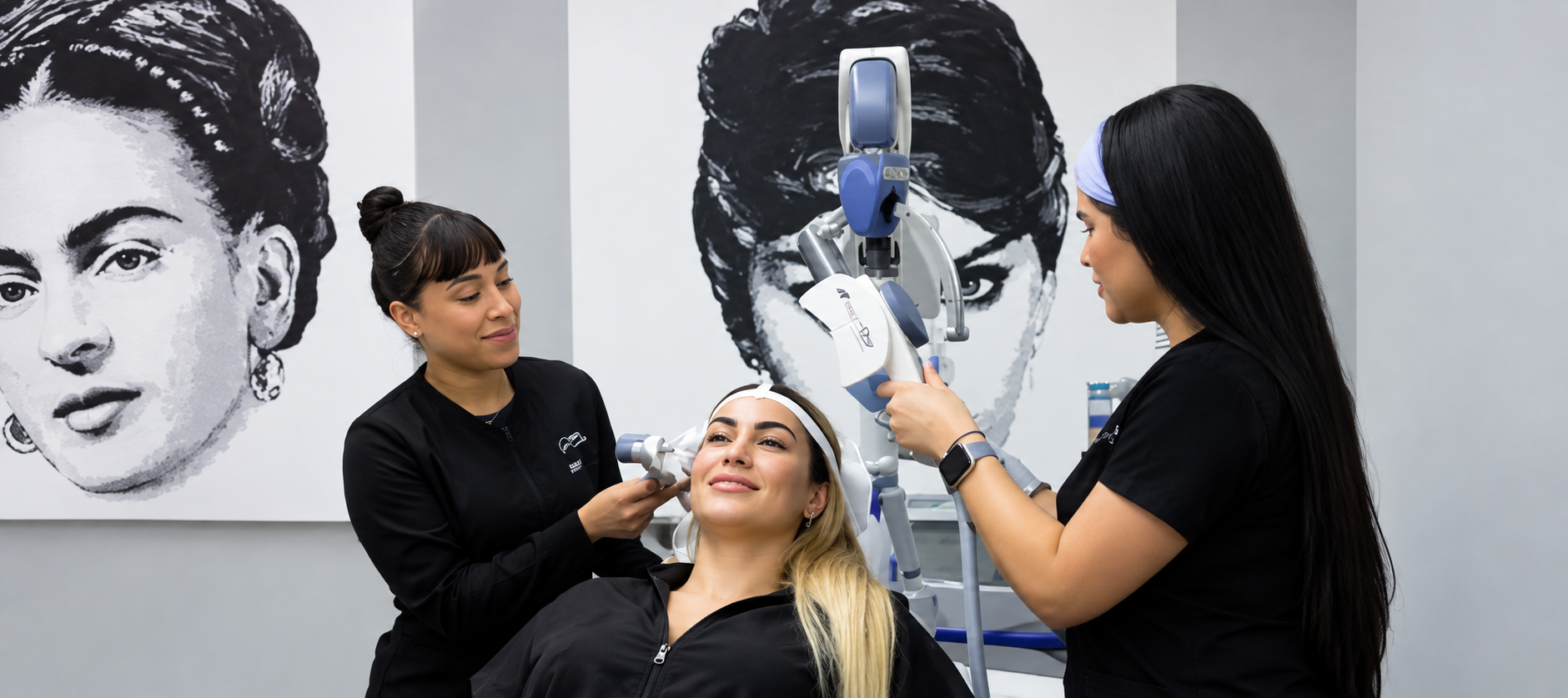
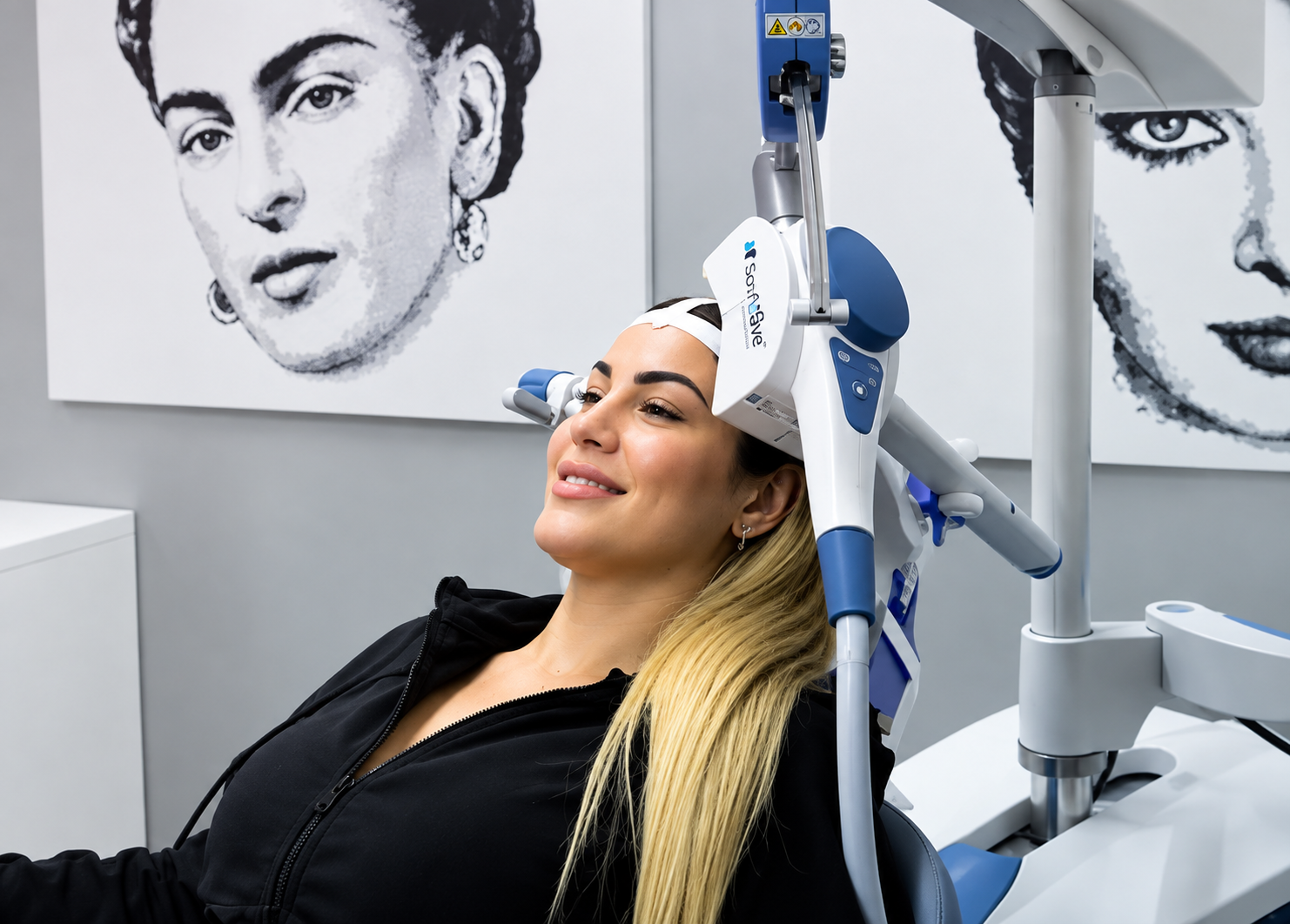
Transcranial magnetic stimulation, or TMS, is a noninvasive prescription treatment that uses magnetic pulses to stimulate selected areas of the brain. It may be considered for certain conditions after a psychiatric assessment and review of previous treatment.
At Casa Privée, the first step is to determine whether TMS is a reasonable option for your individual needs. Your clinician explains the proposed treatment, alternatives, possible benefits and risks before you decide.
Clinical information
Clear scope.
Individual evaluation.
Neuromodulation
Transcranial magnetic stimulation, considered carefully
TMS is a noninvasive prescription treatment that uses magnetic pulses to stimulate selected cortical regions. It should be presented by indication, not as a general-purpose brain-repair technology.
Clinical information
Clear scope.
Individual evaluation.
Where TMS may fit
The assessment reviews your diagnosis, symptoms, treatment history, medications, substance use and relevant medical or neurological conditions. Tell the clinician about implanted devices, metal in or near the head, a history of seizures and other health concerns.
The conditions and patient groups covered by regulatory clearance depend on the NeuroStar device. Your clinician explains the status of the proposed use and whether it is within the device’s labeling, off-label or investigational.
Adults with a qualifying clinical indication
Prior treatment history reviewed in context
Medical and neurological safety screening
Medication and substance exposure reviewed
Individual discussion of alternatives and expectations
Indication-specific language matters
NeuroStar Device indications vary by manufacturer, model and jurisdiction. The prescribing clinician confirms the exact device labeling and whether a proposed use is cleared, approved, off-label or investigational.
What to expect
A structured course, not a one-time experience
A course generally includes evaluation, determination of treatment settings, repeated sessions and review of symptoms and tolerability. The schedule and number of sessions depend on the indication, protocol and response. The proposed time commitment is explained before treatment begins.
1
Psychiatric evaluation
Confirm the working diagnosis, symptom severity, prior treatment and clinical goals.
2
Safety screen
Review implanted metal or devices, seizure history, medications, neurological history and other relevant factors.
3
Treatment planning
Select an indication-specific protocol and explain expected time commitment, alternatives and uncertainty.
4
Monitoring
Track symptoms, tolerability and function during the course and plan continuation care.
Safety
Benefits, limitations and risks
TMS may help some patients, but response varies and improvement is not guaranteed. It may be used alongside medication or psychological care when appropriate.
Possible side effects include scalp discomfort, headache and facial muscle stimulation. Seizure is a rare but recognized risk. Your clinician discusses device-specific precautions, hearing protection and relevant contraindications.
Scalp discomfort or pain at the treatment site
Headache or facial muscle stimulation
Hearing protection during treatment
Rare risk of seizure
Contraindications involving certain non-removable conductive metal or implanted devices near the head
Links open external websites. Manufacturer information should be read together with independent medical sources and individualized advice.
Boundaries
What this page does not promise
TMS does not guarantee remission or recovery.
TMS is not described as a cure for addiction, trauma, cognitive decline or every psychiatric symptom.
NeuroStar device does not replace diagnosis, psychotherapy, medication management or higher-level care when those are needed.
A consultation is required before any prescription or course recommendation.
Request a TMS suitability evaluation.
Bring a current medication list and a summary of prior treatment. The clinic may request records before recommending a course.
Questions
Frequently asked questions
Is TMS suitable for everyone?
No. Suitability depends on the diagnosis, treatment history, device labeling and safety considerations.
Does TMS require anesthesia?
Conventional outpatient TMS is generally performed while you are awake and does not require anesthesia.
How many sessions are required?
Your clinician explains the proposed course after assessment. The schedule depends on the indication, protocol and your response.
Can TMS cause a seizure?
TMS can rarely cause a seizure. Before recommending treatment, we assess relevant risk factors and explain the safety information for the device and protocol proposed for you.
Will I need to stop medication?
Not necessarily. Continue medication as prescribed unless your treating clinician advises a change. Medication use is reviewed as part of the treatment plan.
Private, physician-led psychiatry and addiction medicine in Brickell, Miami. Careful assessment, clear explanations and individualized follow-up.
1395 Brickell Avenue, Suite 200, Miami, Florida 33131
Clinical care
Practice
Connect


Policies
© 2026 Casa Privée. All rights reserved.
Distinct organizations: Professor Bankole Johnson · IRMN education